
Algebra Masterclass Blog
Explanations, background, and advice for curious students.
Latest articles
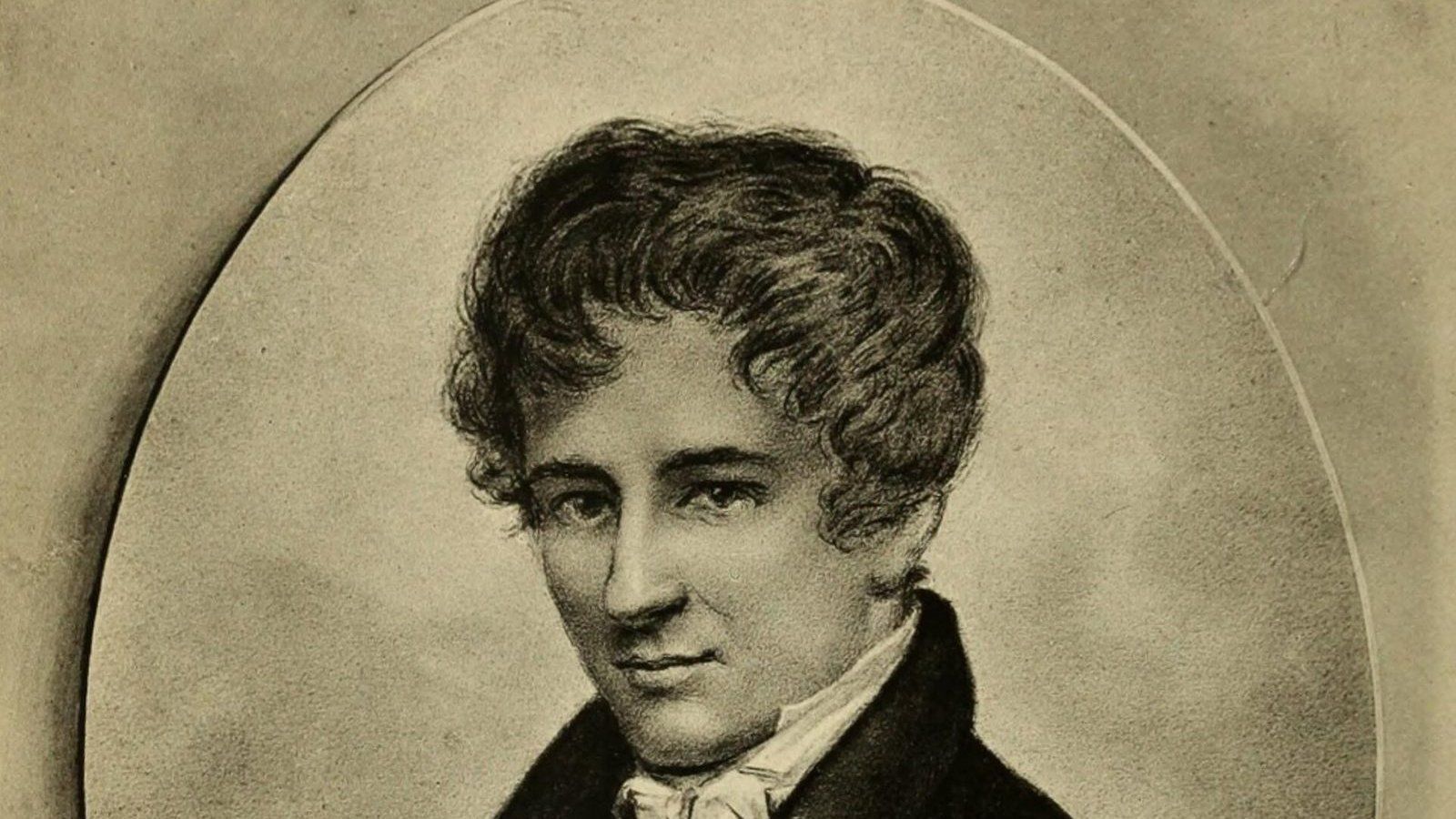
Why there is no formula for the quintic
There is a formula for the roots of a quadratic, one for the cubic, and one for the quartic. For degree 5 there is none, and never will be. This is a theorem, proved in 1824, and the reason is a property of the group of 120 rearrangements of five objects.
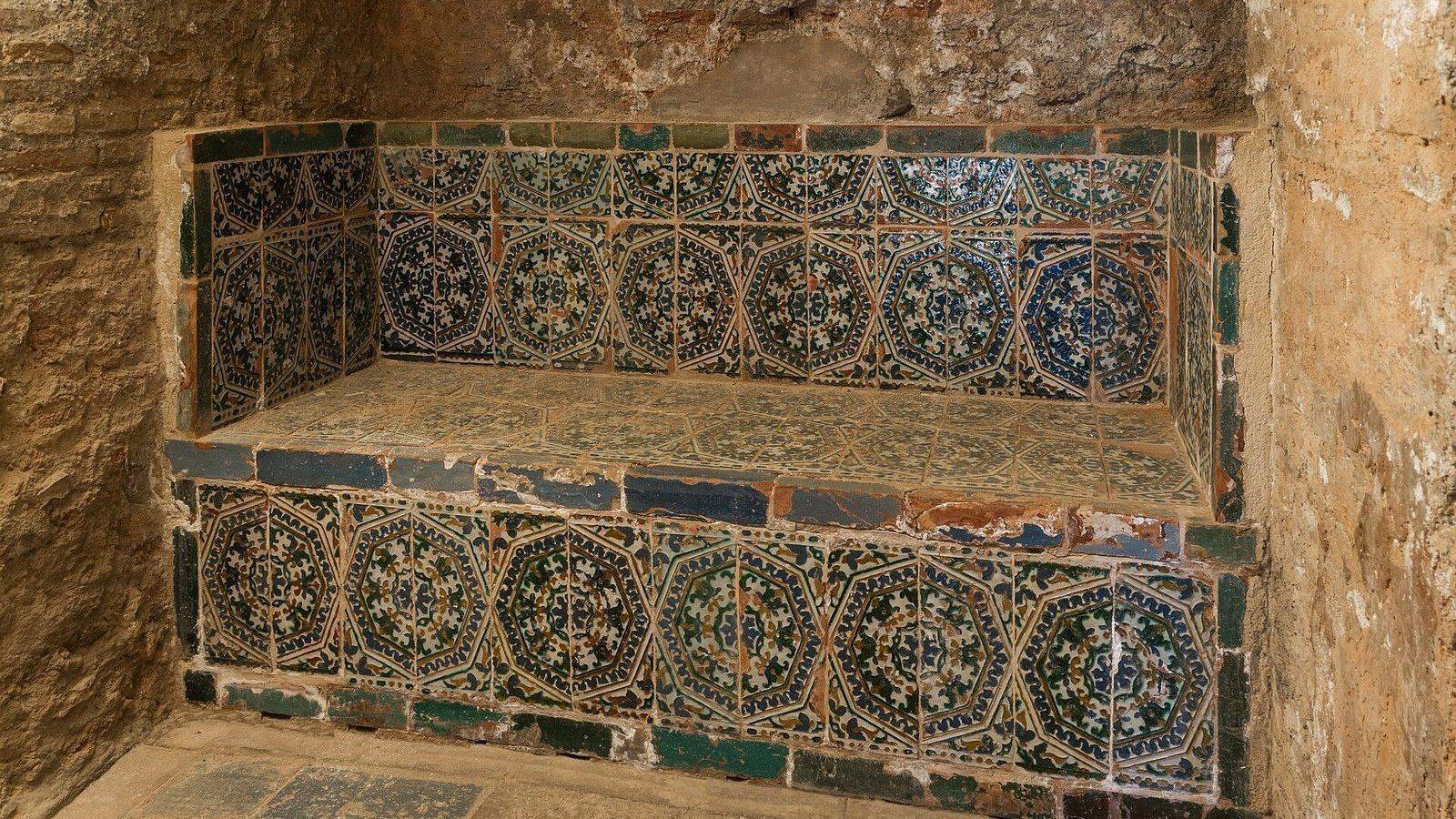
The 17 wallpaper groups
Every repeating flat pattern ever made, from Nasrid tiles to bathroom floors, has one of exactly 17 symmetry types. The proof that a repeating pattern cannot have five-fold rotation fits in a few lines, and the count of 17 was finished in 1891.

How a QR code survives a torn corner
Scratch a QR code, print a logo over its middle, or tear off a corner, and a phone still reads it. The reason is a piece of algebra from 1960 that does its arithmetic in a field with exactly 256 elements.

Galois's last night
On 29 May 1832 a twenty-year-old in Paris wrote a letter summarizing the mathematics he had not been able to publish, and the next morning he was shot in a duel. The letter contains the idea of a normal subgroup. What it does not contain is most of the legend.

Seven shuffles
How many riffle shuffles does it take to mix a deck of 52 cards? In 1992 Dave Bayer and Persi Diaconis answered with a table that is still quoted in every casino regulation and most probability textbooks: seven, and the reason is a theorem about permutations.
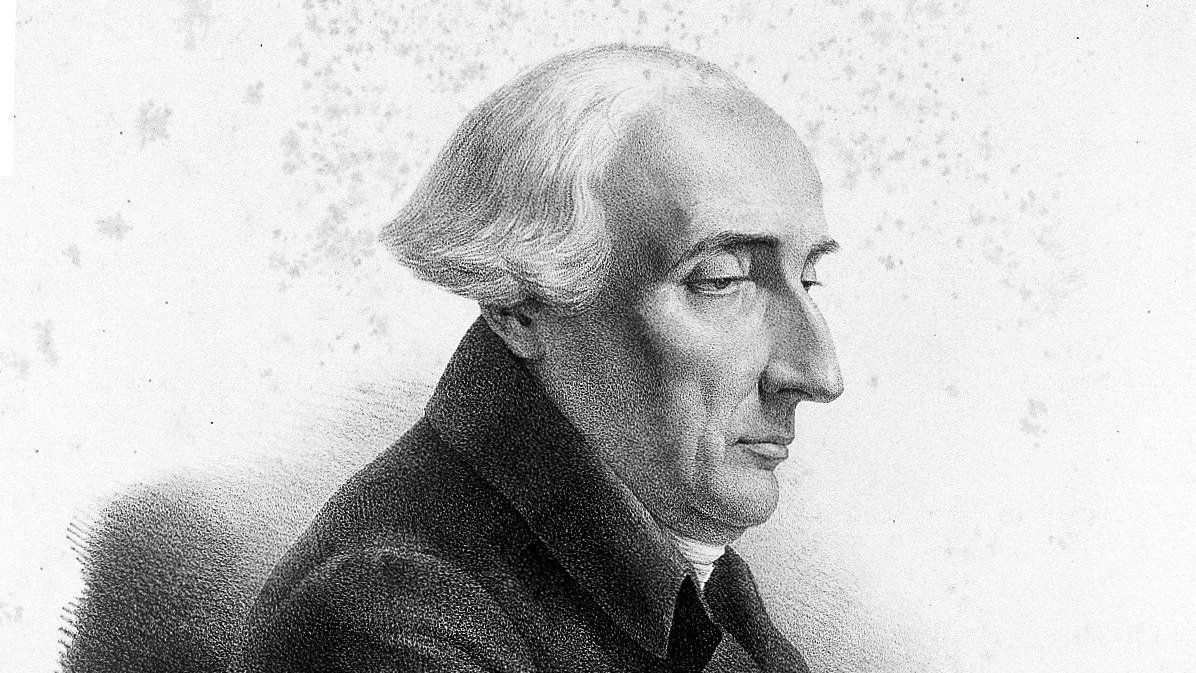
Lagrange's theorem in one picture
The order of a subgroup divides the order of the group. The proof is a picture of tiles that cover a floor without overlapping, and it is the first theorem of group theory that says something you could not have guessed.

Why only one in twelve Rubik's Cubes can be solved
Take a Rubik's Cube apart and put the pieces back at random. Eleven times out of twelve you have built a puzzle that no sequence of turns will ever solve. The reason is a short argument about permutations, and it also explains the number 43,252,003,274,489,856,000.
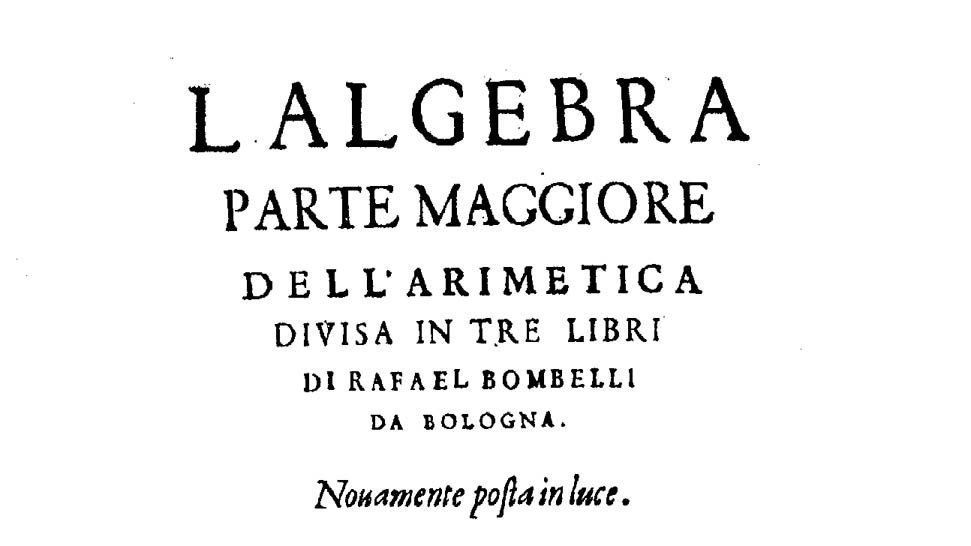
The square root of minus one, forced on us by a cubic
Complex numbers were not invented to solve x^2 + 1 = 0. Nobody wanted a root of that. They were accepted because a cubic with three perfectly real roots refused to give them up any other way, and an engineer from Bologna did the calculation in 1572.
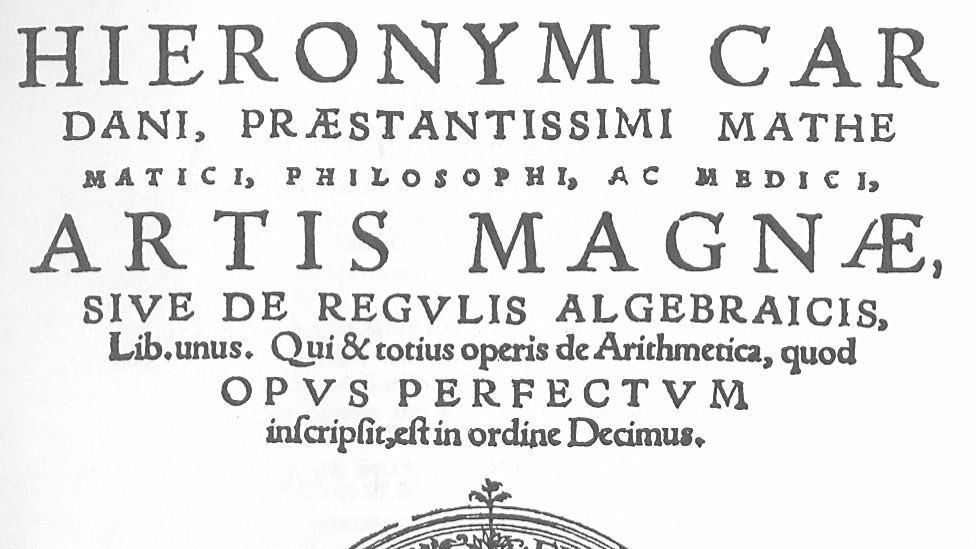
How Cardano solved the cubic, and what he had to steal
The formula for the cubic equation was discovered twice in secret, extracted under oath, and printed in 1545 by a man who had sworn not to. Here is the story, the formula, and the equation x^3 + 6x = 20 worked through.