
Symmetry and groups
The eight symmetries of a square, the 17 wallpaper patterns, Lagrange's theorem in a picture, and Burnside's lemma: group theory, an idea at a time.
Articles

Counting necklaces with Burnside's lemma
How many different necklaces can be made from six beads in two colours? Not 64, because turning a necklace does not make a new one. The right answer is 14, and the tool that finds it, Burnside's lemma, counts anything up to symmetry, from painted cubes to chemical isomers.
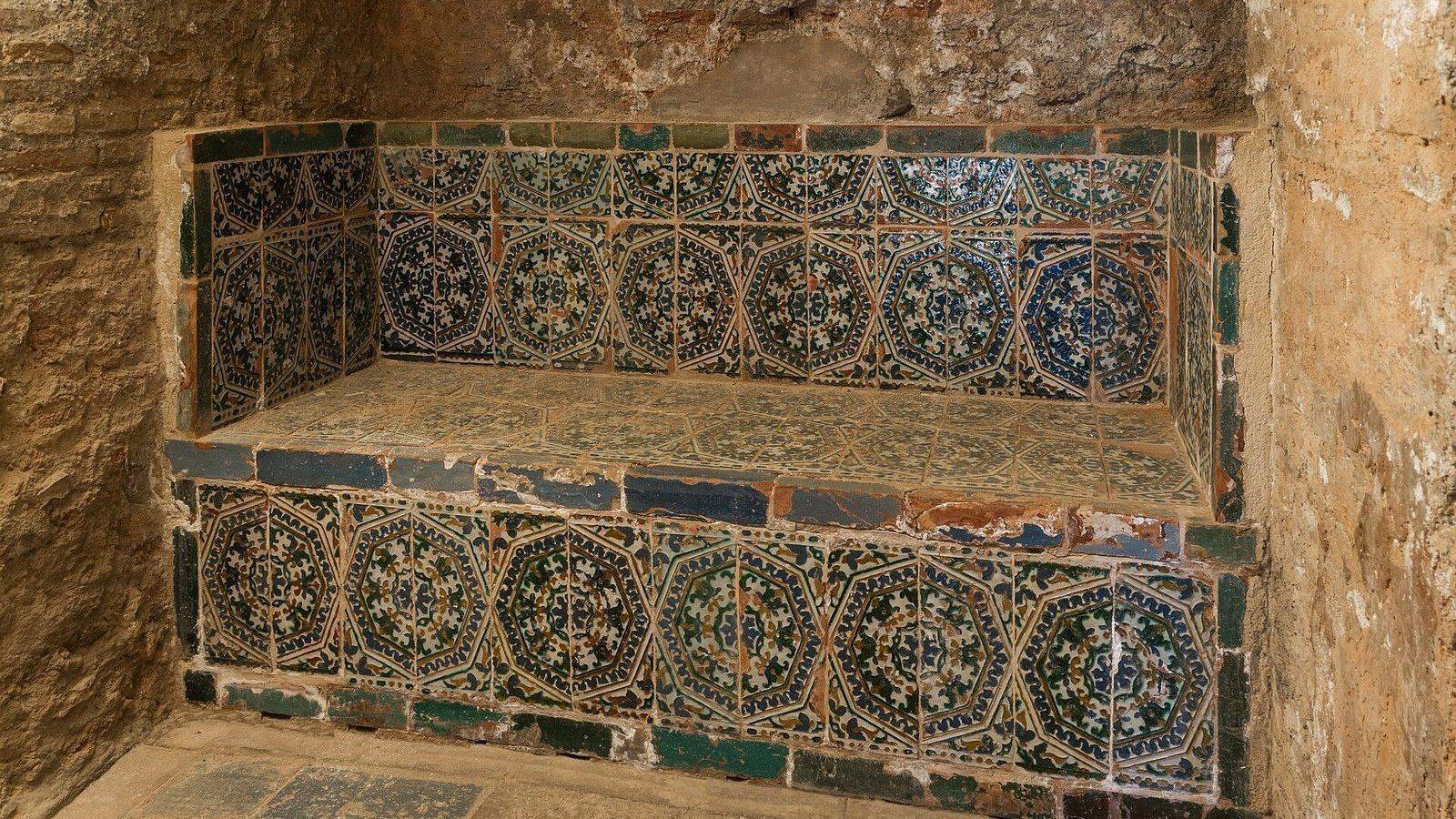
The 17 wallpaper groups
Every repeating flat pattern ever made, from Nasrid tiles to bathroom floors, has one of exactly 17 symmetry types. The proof that a repeating pattern cannot have five-fold rotation fits in a few lines, and the count of 17 was finished in 1891.
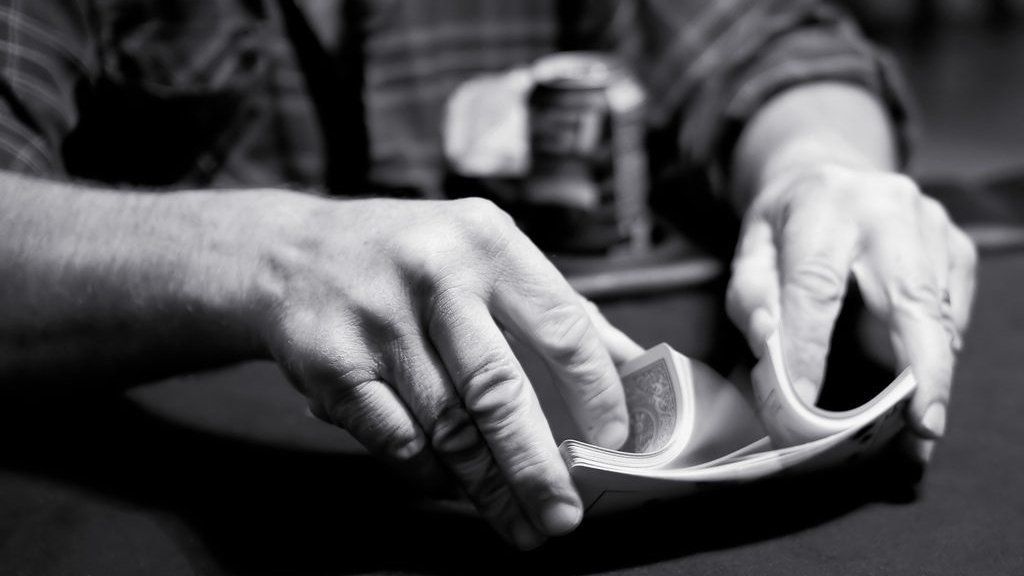
Seven shuffles
How many riffle shuffles does it take to mix a deck of 52 cards? In 1992 Dave Bayer and Persi Diaconis answered with a table that is still quoted in every casino regulation and most probability textbooks: seven, and the reason is a theorem about permutations.
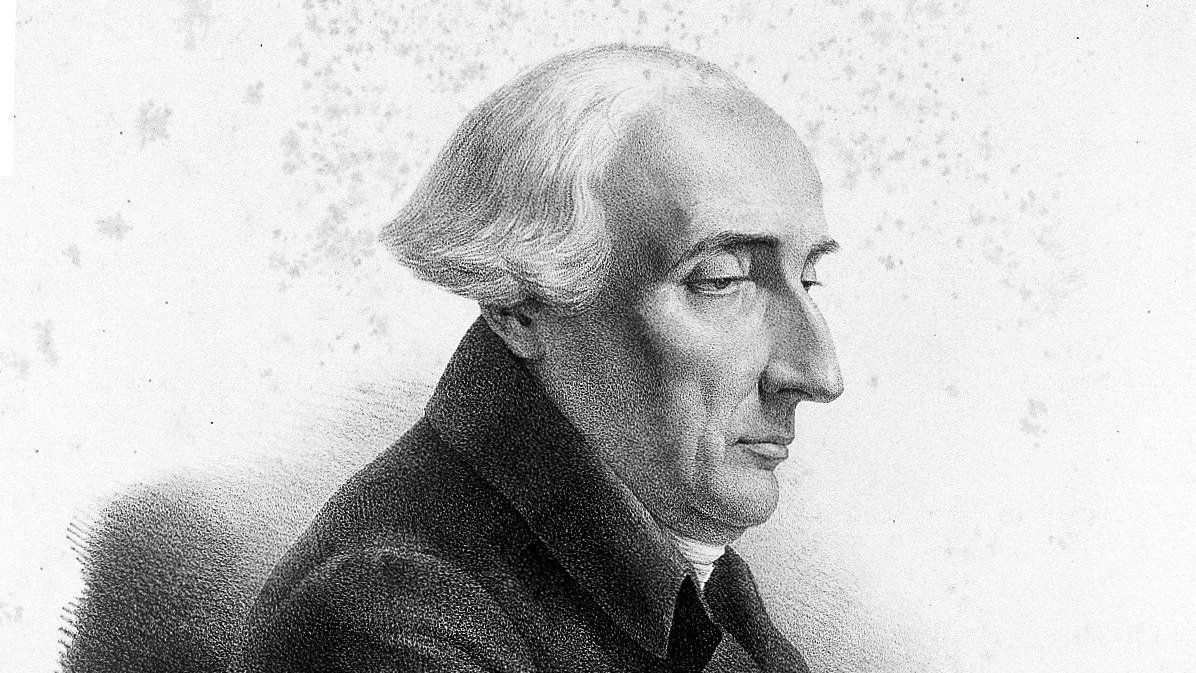
Lagrange's theorem in one picture
The order of a subgroup divides the order of the group. The proof is a picture of tiles that cover a floor without overlapping, and it is the first theorem of group theory that says something you could not have guessed.
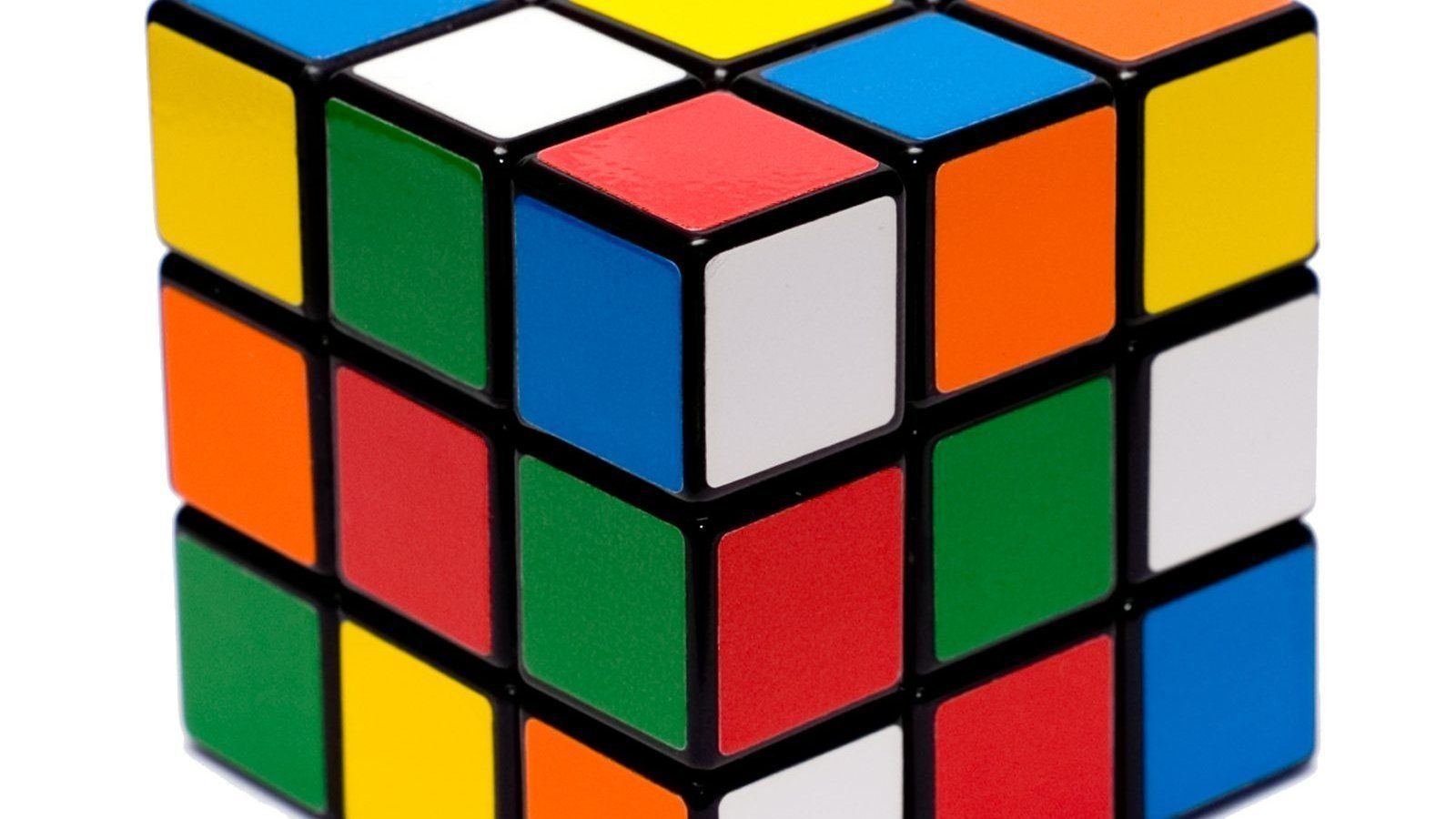
Why only one in twelve Rubik's Cubes can be solved
Take a Rubik's Cube apart and put the pieces back at random. Eleven times out of twelve you have built a puzzle that no sequence of turns will ever solve. The reason is a short argument about permutations, and it also explains the number 43,252,003,274,489,856,000.

The eight symmetries of a square
Cut a square out of card, number its corners, and find every way of putting it back in its outline. There are eight, and the table of how they combine is the first group that most students ever meet.
In the masterclass
Symmetry and Groups
The eight symmetries of a square and the four axioms they satisfy
Permutations
Cycles, parity, the fifteen puzzle, and the Rubik's Cube
Subgroups, Cosets, and Quotients
Lagrange's theorem, normal subgroups, homomorphisms, and the simplicity of A5
Group Actions and Counting
Orbits, stabilizers, Burnside's lemma, and Sylow's theorems